
How to Build Order & Efficiency Out of Financial Clutter in Your Rental Business
Key Takeaways
- Rental finances can get messy quickly without a consistent system separating properties, transactions, and records.
- The best bookkeeping for rental property tracks income and expenses continuously.
- Bookkeeping software for rental property improves accuracy and decision-making through automation and real-time reporting.
- Ledgre helps landlords stay organized year-round and makes tax preparation far less stressful.
Organizing Your Rental Finances with Bookkeeping Software for Rental Property
If you’ve owned rental property for long enough, you know that financial clutter can easily sneak up on you.
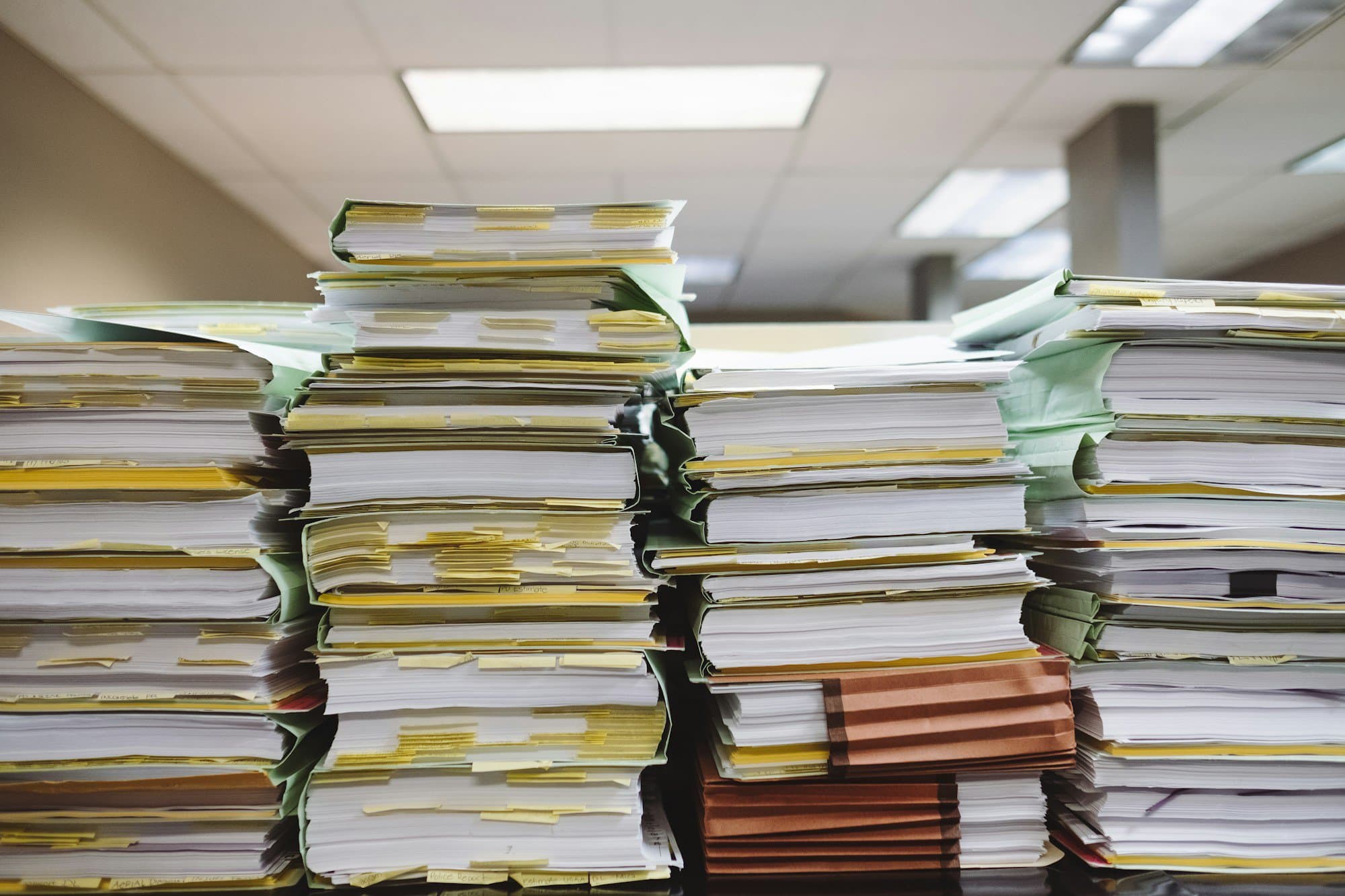
A few receipts in a drawer turn into a folder of them, the folder becomes a messy spreadsheet, and suddenly tax season arrives and you’re digging through months of transactions trying to remember what was a repair, what was an improvement, and what property it even belonged to. Without bookkeeping software for rental property, even small portfolios become hard to track accurately—and basic bookkeeping starts to feel like a second job.
Using dedicated bookkeeping software for rental property turns scattered transactions into clean reports, clearer decisions, and far less stress when tax season comes around (especially at tax time). In this article, we’ll walk through how to create order and efficiency in your rental business finances, what good bookkeeping actually looks like, and how the right rental property bookkeeping software and rental accounting approach can simplify everything from monthly tracking to year-end reporting.
Why Do Rental Finances Get Disorganized So Fast?
Rental finances become disorganized quickly because rental income isn’t structured like a regular business. Money comes in monthly, but expenses arrive unpredictably. Repairs, vacancies, taxes, insurance renewals, and improvements rarely follow a schedule. Without a consistent financial management system, records quickly turn into incomplete spreadsheets.
Part of the problem is that rental bookkeeping has stricter requirements than many owners expect. The IRS requires landlords to track income and expenses and report them individually for each property on Schedule E. At the same time, owners must keep supporting documentation like invoices, deposit records, and receipts (including paper receipts) to verify totals. What may seem like passive side income actually requires extensive bookkeeping, and most landlords don’t build a process early on with a rental property bookkeeping template.
Another reason finances get messy is commingling. Many landlords start by using one bank account and a basic rental property bookkeeping template or spreadsheet, but mixing personal and rental transactions makes it easy to miss expenses and creates reporting errors, especially for small landlords, DIY landlords, and independent landlords managing multiple properties without a team.
The best bookkeeping for rental property usually involves a scalable, automated system rather than manual tracking. Using dedicated bookkeeping software for rental property, landlord-specific accounting software, or specialized rental property bookkeeping software helps automate categorization, automate rent tracking, keep property-level records organized, and maintain clean documentation year-round instead of scrambling during tax season.
What Good Bookkeeping for Rental Property Actually Looks Like
Good rental bookkeeping is a repeatable system that keeps every transaction tied to a property, categorized correctly, and ready for reporting at any time. The best bookkeeping for rental property is clearly tracked all year-round so financial decisions and tax filing don’t depend on last-minute cleanup This is the difference between general bookkeeping tools and true rental accounting.
While some landlords begin with a rental property bookkeeping template, most eventually move to bookkeeping software for rental property to avoid manual errors and maintain consistent records across multiple units and rental properties.
Below are the three most important components for your rental bookkeeping system, regardless of which one you choose:
Separating Personal & Rental Finances
The foundation of clean records is the separation of personal and rental finances. Every rental should operate like its own business with a dedicated bank account, dedicated payment flow, and no mixed personal purchases. When transactions are commingled, landlords lose track of deductible expenses and spend hours sorting statements later. More importantly, separation allows accurate profit tracking per property, which helps you evaluate performance and cash flow instead of guessing—and supports more robust financial tracking for real estate investors.
Many landlords try to compensate by color-coding their spreadsheets, but specialized rental property bookkeeping software automatically ties transactions to a property, eliminating most manual sorting.
Tracking Income, Expenses, and Reimbursements
Rental income is simple until it isn’t. Between partial payments, security deposits, reimbursements, maintenance bills, and capital improvements, every transaction must be categorized correctly. The best bookkeeping software for rental property tracks:
- Rent payments (including online rent payments)
- Deposits
- Repairs & improvements
- Owner expenses
- Tenant-paid reimbursements
- Property costs
- and other transactions
A basic rental property bookkeeping template can work temporarily, but it relies heavily on manual discipline. Dedicated bookkeeping software for rental property automatically tracks transactions, supports automated expense tracking, helps categorize expenses consistently, and keeps reliable records so monthly reporting takes minutes instead of hours.
Preparing for Taxes Properly
Most bookkeeping mistakes show up during tax season. Landlords scramble to reconstruct expenses, identify missing receipts, and determine what belongs to each property. Proper bookkeeping prevents this by maintaining records continuously. Each transaction is documented, categorized, and report-ready long before filing season arrives. Instead of building reports in April, you’ll already have them ready, often in the exact format you need for Schedule E tax reports.
That’s why the best bookkeeping for rental property focuses on ongoing organization rather than annual cleanup and changes tax preparation from a stressful project into a routine review.
How Bookkeeping Software for Rental Property is Efficient
Manual tracking works at the beginning, but efficiency comes from reducing decisions and repetition. Bookkeeping software for rental property does more than just storing numbers. It removes the daily friction of recording, organizing, and verifying transactions so your records stay accurate without constant attention. Many platforms are built around the idea of fewer manual steps, clearer records, and financial information that’s always up-to-date—delivering real-time insights.
Automated Transaction Tracking
Instead of entering every charge manually, transactions can sync directly from your rental bank account and payment activity. Automated transaction tracking reduces manual data entry and improves bookkeeping accuracy. That means rent payments, vendor charges, and recurring expenses appear automatically, reducing missed entries and duplicate records—core automation features that help you automate rent tracking and rent collection.
Categorizing Expenses by Property
Rental finances only make sense when every dollar belongs to a specific unit or property. Without that structure, you can’t accurately measure performance, identify costly buildings, or track profitability. Landlords are required to keep records of deductions and transactions, and the best bookkeping software for rental property assigns these to each property and category at the same time, including repairs, utilities, taxes, insurance, or improvements. Platforms like Ledgre organize expenses this way by default, so you can instantly see where money is going instead of manually sorting transactions in a spreadsheet.
Real-Time Financial Overviews
Manual bookkeeping only shows you your numbers after you finish updating them. Cloud-based accounting software has been proven to improve decision-making and help with reducing errors. Modern accounting platforms provide real-time tracking of income, expenses, and cash flow, helping owners make faster and more informed decisions about operations and investments. This kind of visibility improves forecasting accuracy and reduces decision-making risk because your data reflects current activity rather than last month’s reconciliation—something desktop accounting often struggles to match.
Clean Reports for the Tax Season
Tax season becomes stressful when records have to be rebuilt from scattered transactions. The IRS requires landlords to report rental income and expenses annually and maintain documentation supporting deductions, which is difficult without consistent records throughout the year. When transactions are categorized as they happen, reports already match tax categories before filing even begins. Bookkeeping software for rental property will generate organized summaries automatically, including property-specific reports, so landlords spend less time searching for receipts and more time verifying totals during tax time and tax season.
Choosing the Right Rental Property Bookkeeping Software
The right software for you should at least reduce manual entry, keep properties separated, and produce usable reports without constant maintenance. Instead of rebuilding records at the end of each month or year, landlords benefit most from tools designed specifically around how rental finances actually function—especially landlord-specific accounting software with powerful accounting features and customizable features built for rental properties.
Some owners start with general bookkeeping tools (or even a free DIY accounting app), but many quickly outgrow them once they need property-level views, rental accounting workflows, and tax-focused accounting solution outputs. Others look for full-service property management software or property management tools that include tenant communication and online rent payments—then pair it with stronger accounting. If you’re comparing options, think about whether you want an accounting-first system or a smart property manager approach that blends rent collection and financial management.
Ledgre is a purpose-built rental property bookkeeping platform that helps landlords stay on top of their finances without the spreadsheets. It automatically tracks rental income and expenses, keeps records organized across multiple properties, and gives you clear, real-time dashboards and customizable reports. We are an affordable property management option for landlords who want robust financial tracking and expert property management insights without the overhead.
Ready to give it a try?
Conclusion
Financial clutter builds slowly in a rental business, but it creates real problems when records, decisions, and tax reporting all depend on messy data. The solution is a consistent system that organizes transactions as they happen.
With the right bookkeeping software for rental property, you can keep finances separated, track activity accurately, and generate reports automatically instead of rebuilding them each year.
FAQs
What is the best bookkeeping software for landlords?
The best option is software designed specifically for rentals. Ledgre stands out because it tracks income and expenses by property, separates records automatically, and produces tax-ready reports like Schedule E, which general accounting tools often require manual setup to replicate.
What's the best software for landlords?
It depends on the task, but many landlords prefer all-in-one tools. Property management platforms handle tenants and payments, while bookkeeping software like Ledgre handles financial records and reporting, giving clearer performance data and easier tax preparation. For some, the best stack is a lightweight property manager for rent collection plus landlord-specific accounting software for rental accounting and reporting.
What is the best way to keep track of rental property expenses?
The most reliable method is to record transactions as they happen and categorize them by property and expense type. Dedicated bookkeeping software automates this process with automated expense tracking, preventing missed deductions and eliminating end-of-year cleanup.
What is the 50% rule in rental property?
The 50% rule estimates that operating expenses will average about 50% of the property’s gross rental income (excluding mortgage payments). Investors use it as a quick screening tool to evaluate potential profitability before deeper analysis.
What is the best accounting method for rental property?
Most landlords use the cash accounting method, which records income when received and expenses when paid. It’s simpler, aligns with how rent is collected, and is commonly accepted for individual rental owners.
What is the 7% rule in real estate?
The 7% rule suggests a rental should generate about 7% of its purchase price in annual gross rent. It’s a fast way to evaluate deals before calculating detailed returns like cash-on-cash or cap rate.